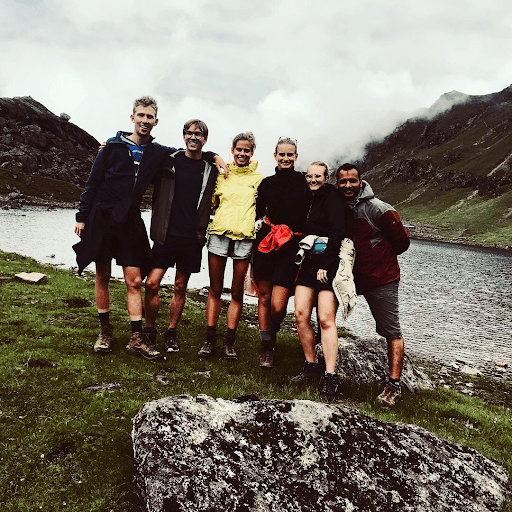
The Langtang Valley Trek is one of Nepal’s best-kept trekking secrets, nestled just north of Kathmandu. Often overlooked in favor of the Everest or Annapurna regions, this trek offers stunning mountain scenery, rich Tamang culture, and remarkable biodiversity—all within a relatively short distance. If you’re looking for an authentic Himalayan experience that’s less crowded yet equally rewarding, the Langtang Trek Nepal is the perfect choice.
Why Choose the Langtang Valley Trek?
Unlike other high-altitude expeditions that require long drives or flights, the Langtang Valley Trek in Nepal begins just a 7-8 hour drive from Kathmandu, making it highly accessible. Yet, despite its proximity to the capital, the region remains relatively remote and untouched by modern development.
The Langtang region is part of the Langtang National Park, home to red pandas, Himalayan black bears, musk deer, and more than 250 species of birds. Along the trek, you’ll traverse pine forests, rhododendron groves, and high alpine meadows, all set against a backdrop of dramatic snowcapped peaks such as Langtang Lirung (7,227m).
Cultural Highlights of Langtang Trek Nepal
One of the most compelling aspects of the Langtang trek is its cultural richness. The trail passes through traditional Tamang and Tibetan Buddhist villages, where prayer wheels spin, chortens line the paths, and prayer flags flutter in the wind.
Villages like Langtang Village, Thyangsyap, and Kyanjin Gompa offer a deep cultural immersion. Kyanjin Gompa, the spiritual heart of the region, houses a centuries-old monastery and offers panoramic views of the Langtang Himalayas. Interacting with the locals and learning about their yak-herding lifestyle adds an enriching layer to your trekking experience.
Langtang Trek Itinerary – A Day-by-Day Guide
Here’s a suggested Langtang Trek Itinerary for a standard 8-day adventure:
Day 1: Drive from Kathmandu to Syabrubesi (1,550m)
- Travel time: 7–8 hours
- The journey begins with a scenic drive through hilly terrain, rivers, and forests.
Day 2: Trek from Syabrubesi to Lama Hotel (2,380m)
- Trekking time: 6–7 hours
- The trail follows the Langtang Khola, climbing gradually through forests and crossing suspension bridges.
Day 3: Lama Hotel to Langtang Village (3,430m)
- Trekking time: 6–7 hours
- As you ascend, the landscape opens up to views of Langtang Lirung. Langtang Village, rebuilt after the 2015 earthquake, offers cozy lodges and heartwarming hospitality.
Day 4: Langtang Village to Kyanjin Gompa (3,870m)
- Trekking time: 3–4 hours
- A short but spectacular day. You’ll pass glacial moraines and Buddhist monuments before reaching Kyanjin Gompa.
Day 5: Acclimatization Day at Kyanjin Gompa (Optional Hike to Tserko Ri – 4,984m)
- A day to explore the valley and hike up to Tserko Ri for a sunrise panorama of the Langtang Himal range.
Day 6: Trek Back to Lama Hotel
- Trekking time: 6–7 hours
- Retrace your steps, enjoying new perspectives of the same scenery.
Day 7: Lama Hotel to Syabrubesi
- Trekking time: 5–6 hours
- Descend gradually back to the trailhead village.
Day 8: Drive Back to Kathmandu
- Travel time: 7–8 hours
- Celebrate your successful trek with a farewell dinner in the city.
Best Time for Langtang Trek Nepal
The best seasons for the Langtang Valley Trek are:
- Spring (March to May): Lush forests, rhododendrons in full bloom, and clear skies.
- Autumn (September to November): Excellent visibility, comfortable temperatures, and festive village atmospheres.
Although winter trekking is possible with proper gear, trails may be icy, and higher lodges could be closed. Monsoon season (June to August) brings rain and landslide risks, so it’s less recommended.
Langtang Trek Difficulty and Preparation
The Langtang Valley Trek is considered moderate in difficulty. It does not involve technical climbing, and the daily walking hours range between 5–7. However, the elevation gain is significant, with a maximum altitude near 5,000m if you hike up to Tserko Ri.
Preparation Tips:
- Engage in cardiovascular training 4–6 weeks before the trek.
- Carry layers for both warm and cold conditions.
- Hydrate well and take time to acclimatize properly.
- Hire a guide and porter for safety, navigation, and support.
Accommodation and Food on the Trail
Tea houses and guesthouses are available throughout the trail, offering basic rooms with shared bathrooms. In Kyanjin Gompa, you’ll find more comfortable options.
Typical meals include dal bhat (rice and lentils), noodles, pasta, pancakes, and Tibetan bread. You’ll also enjoy yak cheese, a specialty of the region produced at the local cheese factory in Kyanjin Gompa.
Permit Requirements
To trek in the Langtang region, you need:
- Langtang National Park Permit – NPR 3,000 (Approx. $25)
- TIMS Card (Trekkers’ Information Management System) – NPR 2,000 (Approx. $17)
These can be arranged via a trekking agency or obtained in Kathmandu.
Sustainable Trekking and Post-Earthquake Revival
Langtang was severely affected by the 2015 earthquake, with entire villages destroyed. However, through resilience and international aid, the region has rebuilt and reopened to trekkers.
Choosing the Langtang Trek helps support local livelihoods, rebuild the economy, and promote sustainable tourism. Travel responsibly by avoiding plastic waste, respecting local customs, and choosing community-based lodges.
Conclusion: Why Langtang Valley Trek Should Be Your Next Adventure
The Langtang Valley Trek offers a perfect balance of natural beauty, cultural richness, and adventure—all without the overwhelming crowds. Whether you’re a first-time trekker or a seasoned Himalayan traveler, the Langtang region delivers a profoundly satisfying experience.
With dramatic mountain vistas, spiritual encounters, and heartfelt interactions with the locals, Langtang Trek Nepal isn’t just a walk in the mountains—it’s a journey into the soul of Nepal. Add it to your trekking bucket list, and you’ll return not only with stunning photos but also with lasting memories of connection and exploration.
Key Takeaways
| Aspect | Details |
| Location | Langtang National Park, North of Kathmandu |
| Duration | 8 Days (Kathmandu to Kathmandu) |
| Maximum Altitude | 4,984m (Tserko Ri) |
| Difficulty Level | Moderate |
| Highlights | Langtang Lirung, Kyanjin Gompa, Tamang culture, yak cheese factory |
| Best Time to Visit | Spring (Mar–May) and Autumn (Sep–Nov) |
| Required Permits | Langtang National Park Permit + TIMS Card |
| Accommodation | Tea Houses and Lodges |
| Accessibility | Drive from Kathmandu to Syabrubesi (No flights required) |
| Unique Feature | Culturally immersive and less-crowded Himalayan trek |
 Traviare